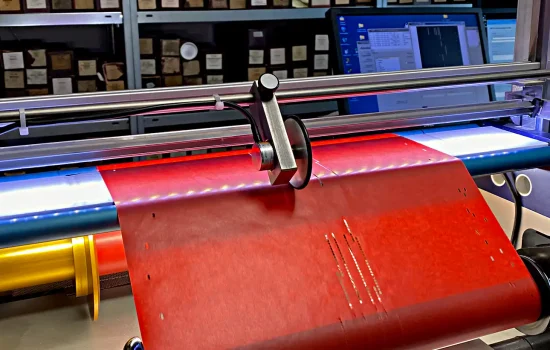
In this article, we present some information on the digitization and, above all, the emulation of music rolls in order to produce wonderfully beautiful MIDI
Ideally both, if possible. The new technology performs considerably better than the old in every respect. After all, there are more than a hundred years
For early Blüthner instruments up to around 1880, the serial number information in most specialist publications is wrong, i.e. especially for the first years, the
Beate Engl, Justin Lieberman and Pancho Schlehhuber present their inspiring installation with a modified 65-note pianola from our collection from June 8 to August 18,
Julius Feurich in Leipzig not only built first-class pianos, but was also, from the very beginning, the main supplier of pianos for built-in player systems
Around 1900, neither Hupfeld nor Welte nor any other manufacturer can have imagined that their music rolls would still be playable more than 100 years
First of all – the following statements do not replace legal advice and make no claim to correctness or completeness; any liability is excluded. In
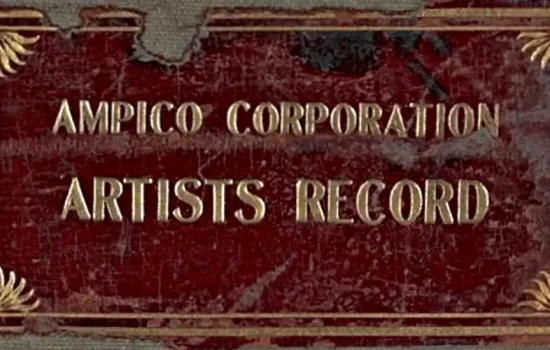
In 2020, Stanford University / Stanford Libraries digitized the AMPICO ARTIST RECORD book (308 pages) from the late 1920s, which has actually survived and was
Most of the pieces recorded on reproducing rolls are piano solo pieces. Nevertheless, rolls were also made that were intended to accompany songs, enabling singers